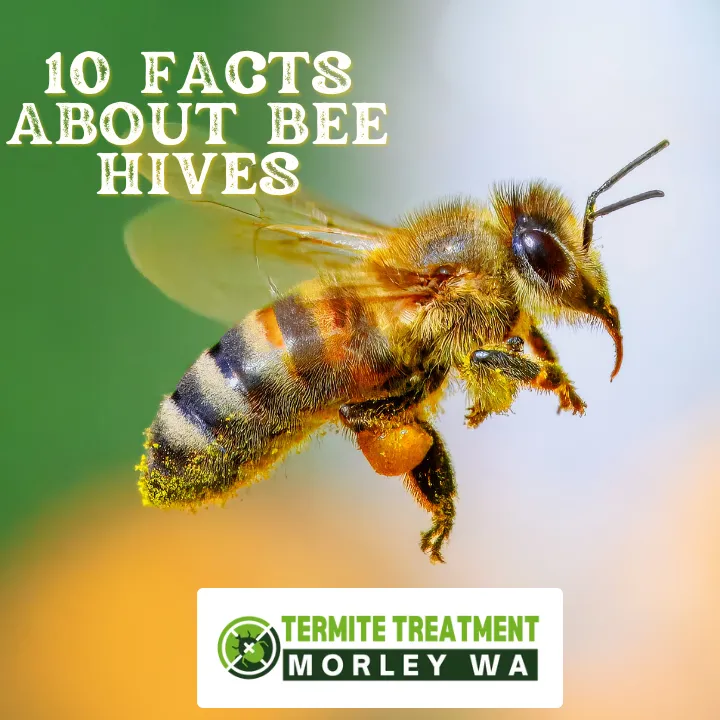
Fascinating Facts About Bee Hives
The Bee Hive Nature has some of its most interesting and complex structures. In city plots, country fields and thick woods, hives demonstrate an amazing society and are key links in the world’s ecosystems. It is indeed a tale of the division of labour inside the hive, honey production and conservation efforts that could save it, but without this perspective on bee hives, one might not realise just how much there is to know about these tiny pollinators.
The Intricate Organisation of Bee Hives
Bee colonies are highly structured societies. Each colony has one queen bee, worker bees, and drones doing different types of work. The worker bees collect the pollen, feed the brood and also make beeswax combs. The drone, the male bees, serve mostly to mate with the queen and help ensure that the colony gets a new generation.
The queen bee is the lifeblood of the hive. She also lays eggs and releases pheromones to control hive activity. Beekeepers also help them maintain this balance by ensuring that hives don't become overcrowded, and offering extra space when the bees need it to make honey. Division of labour is maintained for the survival and productivity of the colony.
The Queen Bee’s Royal Chambers
The royal chambers of the queen bee serve a number of important functions in the hive. These are in the brood box, where larger cells would be found to support her size and laying routine. The queen mates soon after emerging, and stores sperm for her lifetime, which may be up to five years.
Queen rearing is commonly used by beekeepers to generate new queens to maintain the population of colonies. It is important to manage the queen’s rooms correctly in order to take care of a healthy and active hive.
Worker Bees’ Duties and Roles
The worker bees are like the hiveworker drones of old. They nurture the brood, form beeswax, construct honeycomb, defend entranceways and forage for nectar and pollen. Workers in small colonies, such as nucs, also do these jobs on a reduced scale.
Workers also cap honey in its filled cells to aid the ripening of honey. They take out trash, dead bees and protect the colony from pests and disease. Even in periods of nectar dearth, workers are able to collect surrogates from feeders that can keep the hive alive. Their industrious labor is critical to the health and productivity of hives.
The Role of Drone Bees
Drones are male bees with a special reproductive mission. They work mainly mating with the queen to ensure genetic diversity. Drones do not forage or defend the hive, and they are several times larger than worker bees, with big eyes to help find the queen during mating flights.
Beekeepers occasionally control the size of their drone population through methods like drone trapping, striking a balance between hive health and productivity. Sound drone populations are a precondition for reproduction and colony persistence.
Comb Construction and Geometry
Bee combs are engineering marvels. Bees construct the well-structured hexagonal cells out of beeswax, which can save space and has strength. The combs contain honey, pollen and growing brood to perfection.
Today, moveable-frame hives allow easy inspection and maintenance by the beekeeper. The proper “bee space” between combs prevents bees from bumping together while working, and helps keep the hive running smoothly. Hive stability and practicality of management are really dependent on comb construction.
Honey Storage and Preservation
The main store for the colony is honey. Bees gather nectar, stick it in oppressive wax cells, desiccate them by fanning with their wings and thus yield a rich foodstuff – honey. Pollen is hoarded as a source of protein for rearing brood.
Honey is collected by bee keepers in either conventional and non-destructive manner. Premium materials such as cured pine, mean you’ll have long-lasting beehives to store your honey securely. Right storage of honey preserves the colony during poor nectar flow periods.
Swarm Behavior and Communication
Swarming is a natural process whereby the colony divides itself to create a new nest. Bees communicate through dances and pheromones to organize different chores, such as finding food and building new hives. Swarming is controlled by beekeepers to prevent the swarm from becoming a nuisance and perhaps even downright dangerous.
Communication and swarming are important in keeping productive hives.
Defense Mechanisms Against Threats
Honeybee nests use many defenses. The worker bees typically protect the hive and will cluster to suffocate an attacker. Beekeepers contribute to these defences using good hive design, clearer boards and hygiene practices such as periodically replacing old combs.
Robust defences ward off disease, repel predators and safeguard the survival of colonies.
Bee Hive Decline and Conservation Efforts
Bee populations are declining due to the loss of habitat, pesticides, climate change and disease. Conservation efforts such as sustainable beekeeping methods, Varroa mite controls and provisioning with feeders or starter hives are also promoted.
With such high stake in economics and ecology, the public is being educated through campaigns to understand how much we depend on pollinators. Conservation is how we protect bees so the next generations can enjoy them.
Bee hives are remarkable systems of organization, communication, and productivity. Understanding these facts helps beekeepers, enthusiasts, and nature lovers appreciate the complexity of these essential pollinators.
📞 For pest control services around Morley, including bee hive management and related services, contact J&D Termite Treatment Morley at (08) 6275 6552 or visit https://jdtermitetreatment.com.au/.
